
Many homeowners continue paying for expensive TV subscriptions simply because it’s what they’ve always had. Sky and Virgin packages are often set up when moving into a property, renewed automatically, and then left untouched for years afterwards.
But viewing habits have changed dramatically over the last decade.
Streaming services now handle much of the entertainment people watch daily, while Freeview and Freesat provide reliable access to live television without the burden of ongoing monthly fees. As a result, many households are starting to question whether subscription TV still offers genuine value.
In reality, most people regularly watch the same core channels: BBC, ITV, Channel 4, Channel 5, live events, news, and a handful of favourites. Everything else tends to sit unused despite contributing to a monthly bill that can easily exceed hundreds of pounds per year.
That doesn’t automatically make subscription TV a bad option. For some households, premium sports packages, exclusive channels, and bundled services still make sense. But for many others, the cost no longer reflects how the service is actually being used.
What surprises a lot of homeowners is how much can now be achieved with a professionally installed aerial or satellite system. Modern Freeview and Freesat setups provide reliable reception, HD channels, recording functionality, and broad channel selection without the long-term financial commitment of subscription contracts.
The key difference is installation quality. A properly installed system can completely change the viewing experience, while poor alignment, ageing equipment, or damaged cabling often lead people to incorrectly assume that aerial or satellite systems are unreliable.
If you’re considering whether to keep paying for subscription television, it’s worth understanding exactly what Freeview and Freesat offer — and whether they could be a better long-term fit for your home.
What You’re Really Paying for with Subscription TV
Subscription TV providers are designed to feel comprehensive. Hundreds of channels, bundled entertainment packages, sports add-ons, recording features, broadband services, and multi-room viewing all contribute to the perception of value.
But when you look at how most households actually use these services, the picture is often very different.
A large percentage of viewing time tends to focus on a relatively small number of channels. For many people, everyday viewing revolves around standard terrestrial broadcasts, streaming platforms like Netflix or Disney+, and occasional live events.
Despite that, households often continue paying for large channel packages they barely use.
One of the most common things we hear from customers is: “I’m paying for loads of channels, but I only watch a handful of them.”
That’s become increasingly common as streaming services have replaced many of the entertainment channels that subscription TV once relied on as a major selling point.
There’s also the issue of rising costs. Introductory deals can appear affordable initially, but prices frequently increase once the contract period ends. Add-ons such as sports, cinema packages, HD upgrades, or additional viewing boxes can quickly push monthly costs much higher than expected.
A £70 monthly package may not seem excessive at first glance, but over five years that becomes more than £4,000 spent purely on access to television services.
For some households, that cost is worthwhile. But for others, especially those mainly watching standard live TV and streaming services, it raises an important question:
Are you paying for features you genuinely use, or simply paying because the subscription has become routine?
What Freeview Offers Through a TV Aerial
Freeview has improved significantly over the years, yet many people still underestimate what it provides.
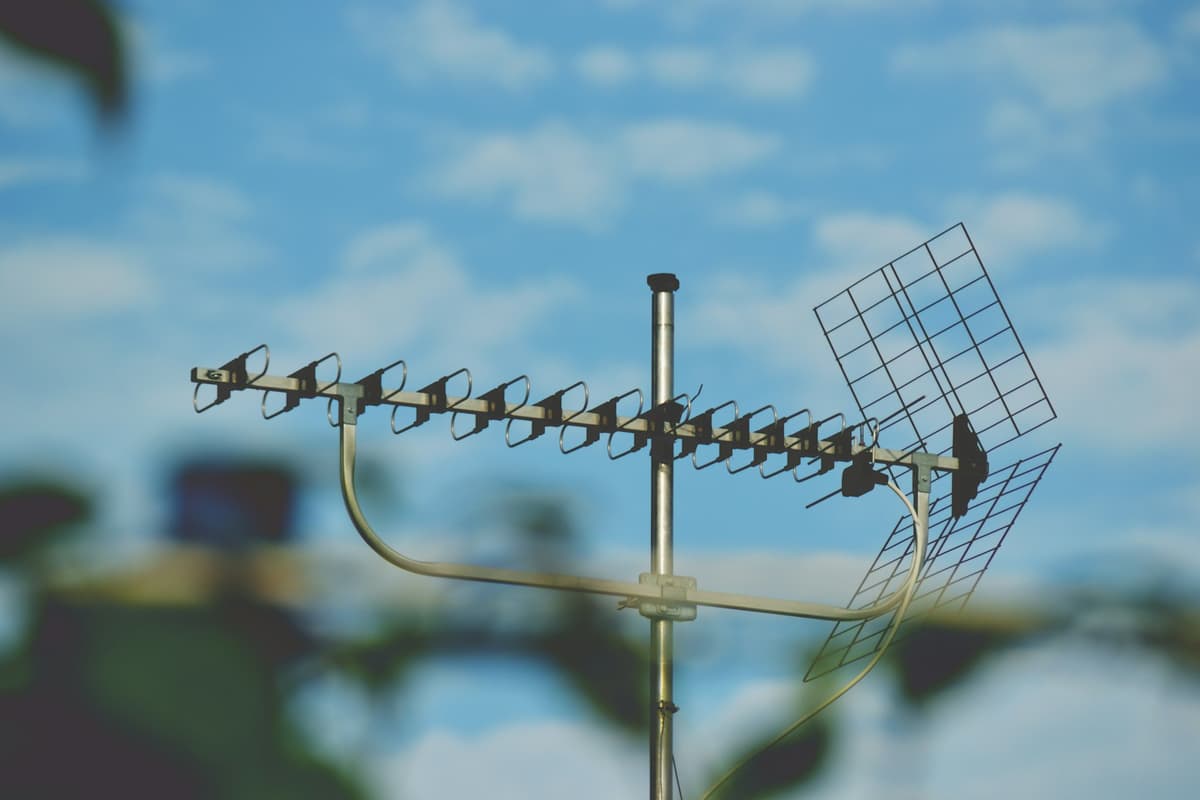
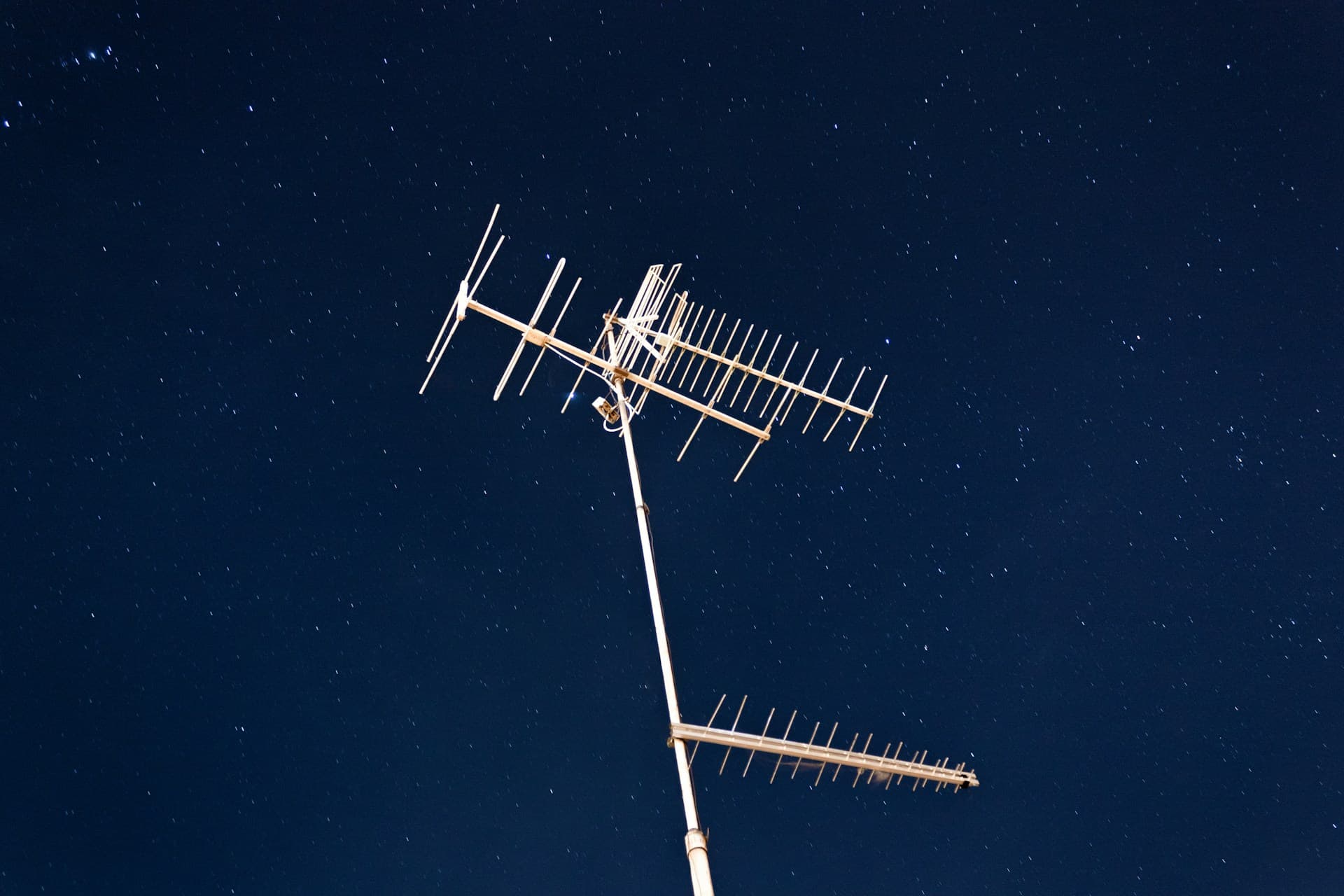
With a professionally installed TV aerial, Freeview gives households access to a wide range of digital television and radio channels without any ongoing subscription fees. This includes all major UK broadcasters, HD channels, live events, news coverage, entertainment programming, children’s television, and more.
For many homes, that already covers the majority of day-to-day viewing requirements.
One of the biggest advantages of Freeview is reliability.
Unlike streaming platforms, Freeview does not rely on broadband speed or Wi-Fi coverage. That means picture quality and performance are unaffected by internet congestion, buffering, or network dropouts. Once the aerial is properly installed and aligned, reception remains stable and consistent.
This is especially important in busy households where multiple people may already be using the internet simultaneously for gaming, streaming, or working from home.
We regularly visit properties where homeowners assume Freeview itself is the problem, when in reality the issue is usually caused by:
- Damaged aerials
- Poor-quality cabling
- Incorrect positioning
- Qater ingress
- Ageing boosters or splitters
- Outdated installations
A modern aerial system installed correctly can dramatically improve signal quality and reliability.
In many cases, homeowners are surprised by how clear and dependable Freeview becomes once the system is upgraded properly.
Why Professional Aerial Installation Makes Such a Difference
Aerial installation is far more technical than many people realise.
Signal strength can vary significantly depending on:
- Property location
- Nearby buildings
- Roof height
- Local terrain
- Trees and obstructions
- Transmitter direction
- Cabling quality
Even small positioning adjustments can affect performance.
This is why two neighbouring houses can experience completely different reception quality despite being on the same street.
Poorly installed aerial systems are one of the biggest causes of ongoing signal problems. We frequently replace installations where aerials have been mounted incorrectly, poorly secured, or fitted with low-quality components that deteriorate quickly over time.
A professional installation ensures:
- Rhe correct aerial type is used
- Signal strength is properly tested
- Cabling is routed safely
- Equipment is weather protected
- Reception is optimised for the property
That long-term reliability is often what homeowners value most.
Instead of constantly retuning channels or dealing with intermittent signal loss, the system simply works properly day after day.
When Freesat Is the Better Choice
While Freeview works extremely well for many homes, it isn’t always the best solution in weaker signal areas.
This is where Freesat becomes particularly useful.
Rather than relying on terrestrial transmitters, Freesat uses a satellite dish to receive channels directly via satellite. That allows it to provide reliable coverage in locations where aerial reception may struggle, including:
- Rural properties
- Isolated homes
- Valleys
- Heavily built-up areas
- Properties with surrounding obstructions
For homeowners dealing with constant signal breakup through a standard aerial setup, Freesat can often provide a far more stable and dependable alternative.
Channel choice is also broader than many people expect.
Freesat offers hundreds of television and radio channels, including HD content, catch-up services, and recording functionality when paired with compatible equipment.
Importantly, it still avoids the ongoing monthly costs associated with subscription TV.
For many households, Freesat sits comfortably in the middle ground:
- Broader channel selection than standard Freeview
- Better reliability in weaker signal areas
- No recurring subscription fees
That combination makes it increasingly attractive for homeowners who want flexibility without long-term contracts.
Freeview vs Freesat: Which Is Better?
There isn’t one universal answer because the best system depends heavily on the property itself and how the household watches television.
Freeview is often ideal when:
- Terrestrial signal is strong
- A modern aerial is already installed
- Viewing habits are relatively straightforward
- Homeowners want a simple setup
Freesat may be the better option when:
- Aerial reception is unreliable
- The property is in a rural area
- More channels are preferred
- Satellite infrastructure already exists
In many cases, the decision comes down to signal reliability rather than channel count.
This is why proper assessment matters. A professional installer can test signal strength, inspect existing equipment, and recommend the most suitable solution for the property rather than simply installing a generic system.
The goal is always long-term reliability and consistent viewing quality.
The Hidden Cost of Poor Signal and Bad Installation
Many homeowners tolerate poor reception for years without realising the issue can often be fixed relatively easily.
Common problems include:
- Picture freezing
- Missing channels
- Pixelation
- Intermittent signal loss
- Poor HD reception
- Channels disappearing during bad weather
These issues are frequently blamed on Freeview or satellite broadcasting itself, but more often than not the real cause is failing equipment or poor installation work.
Older aerial systems naturally degrade over time. Brackets loosen, cables become damaged, connectors corrode, and signal boosters fail. Even installations that once worked perfectly can gradually deteriorate.
Weather exposure also plays a major role. Strong winds, storms, and moisture can all affect aerial positioning and cable integrity over the years.
We regularly carry out repairs on systems that were installed over a decade ago and have simply reached the point where replacement or upgrading becomes necessary.
The difference after professional repair or replacement is often immediate:
- Stronger signal
- Improved picture quality
- Restored HD channels
- More reliable reception across multiple rooms
For homeowners already frustrated with ongoing issues, upgrading the installation can completely transform the experience.
Can You Really Replace Subscription TV Completely?
For some households, yes.
In fact, many people now use a combination of:
- Freeview or Freesat for live television
- Streaming services for films and series
- On-demand apps for catch-up viewing
That setup often covers the vast majority of entertainment needs without requiring expensive TV contracts.
Of course, there are still situations where subscription TV remains worthwhile.
Live sports are one of the biggest examples. Certain premium channels and exclusive broadcasts are still tied to subscription providers, and for dedicated sports fans that may justify the cost.
Some households also prefer the convenience of bundled broadband, mobile, and television packages under one provider.
But increasingly, homeowners are realising they don’t necessarily need large monthly TV contracts just to access reliable everyday television.
The shift is less about “giving up TV” and more about avoiding unnecessary spending on channels and services that rarely get used.
Why More Homeowners Are Switching Back to Simpler Setups
There’s been a noticeable shift in recent years towards simpler and more cost-effective home entertainment systems.
Part of this is financial. Rising household costs mean people are reviewing subscriptions more carefully than before.
But there’s also a growing awareness that modern aerial and satellite systems are far better than many people remember.
A properly installed Freeview or Freesat setup now delivers:
- Reliable HD viewing
- Stable reception
- Broad channel choice
- Compatibility with smart TVs
- Recording functionality
- Long-term value
For many households, that’s more than enough.
The result is a setup that feels simpler, cleaner, and easier to justify financially over the long term.
Choosing the Right TV Setup for Your Home
Every property is different, which is why there’s no one-size-fits-all answer.
The right solution depends on:
- Signal strength in the area
- Property layout
- Existing equipment
- Viewing habits
- Budget
- Long-term plans
At A Clearer Picture, we help homeowners choose reliable TV and satellite systems that genuinely suit how they use their home entertainment.
Whether you need:
- TV aerial installation
- Freesat installation
- Satellite dish repairs
- Aerial repairs
- Signal diagnostics
- Multi-room distribution
- System upgrades
we can assess the property properly and recommend the most effective solution.
The focus is always on reliability, picture quality, and long-term value rather than unnecessary upgrades or overly complicated setups.
Final Thoughts
Subscription TV still makes sense for some households. But for many others, it has simply become an expensive habit that no longer reflects how they actually watch television.
Freeview and Freesat now provide a reliable, high-quality alternative that can significantly reduce long-term costs while still delivering excellent everyday viewing.
The important part is installation quality.
A properly installed aerial or satellite system can provide years of dependable performance, clearer reception, and a far better overall viewing experience than many homeowners expect.
If you’re currently paying for channels you rarely use or struggling with unreliable signal issues, it may be worth reconsidering whether your current setup is really the best option for your home.